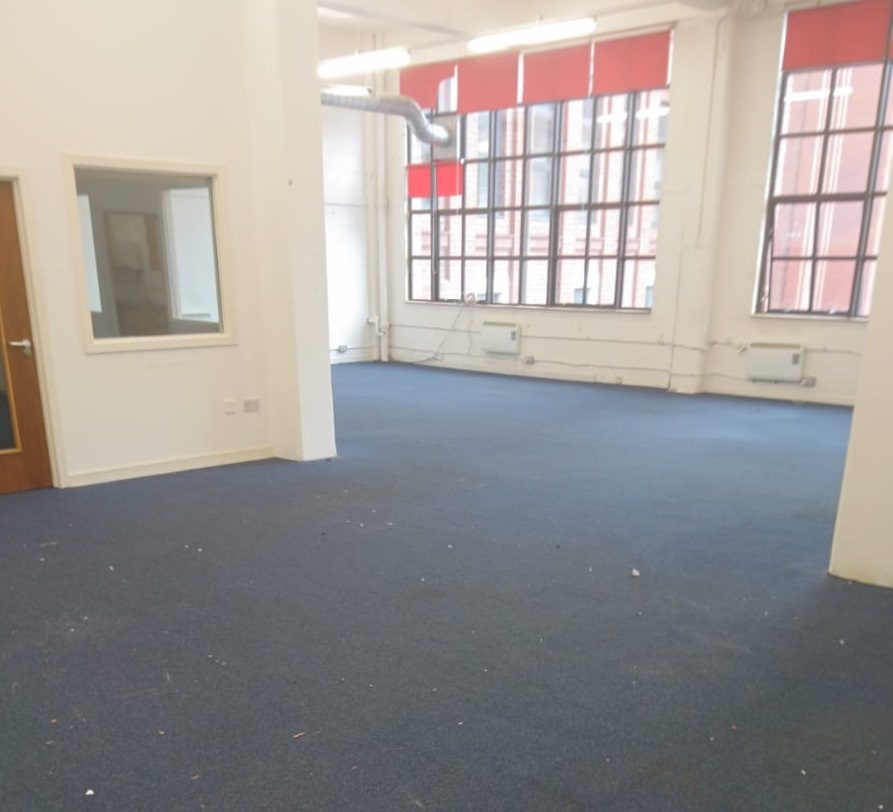
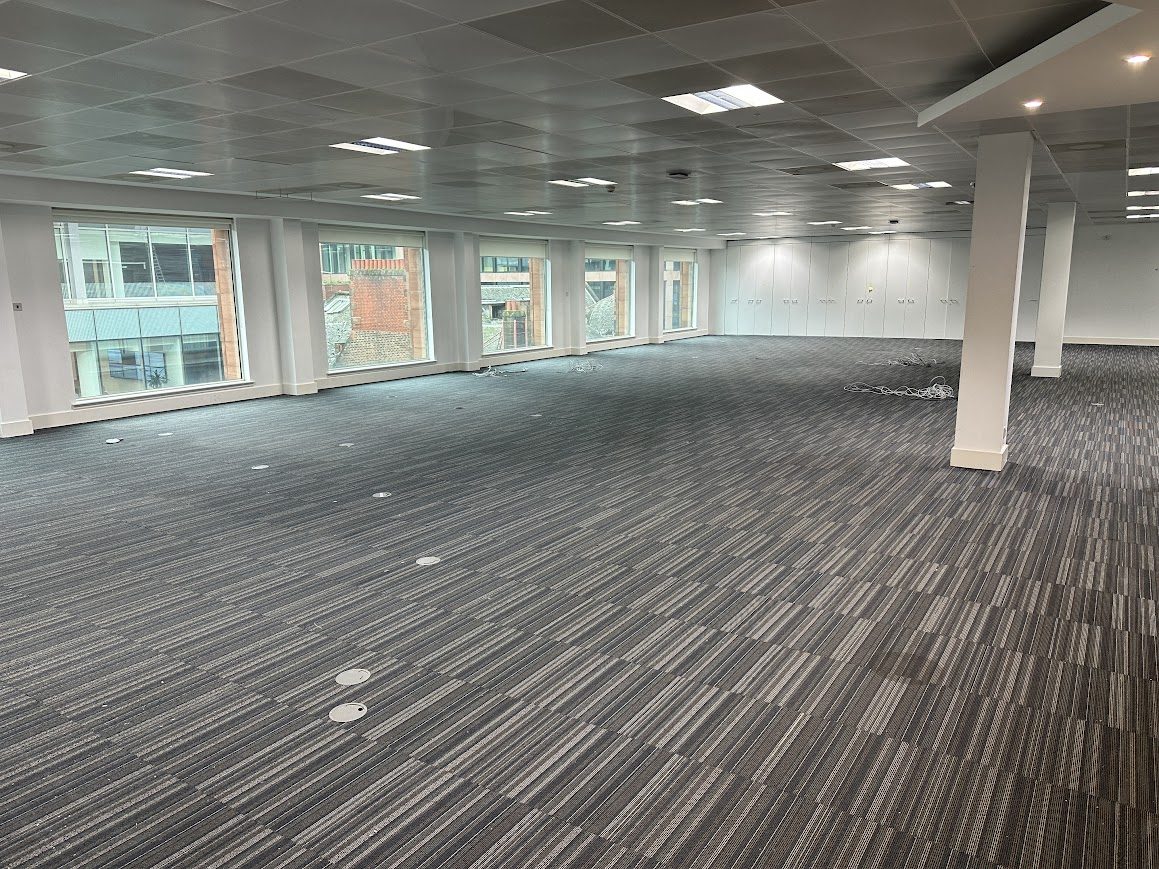
When a commercial lease comes to an end, most tenants are focused on the move to their new premises. The space they are leaving behind can be just as important, because what you leave, and the condition you leave it in, can lead to a dilapidations claim from your landlord. This guide explains what is usually expected in Scotland and how a planned clearance can help you avoid a costly dispute.
This article is general information, not legal advice. Your obligations depend on the wording of your lease, so speak to your solicitor or surveyor about your own situation.
Do you have to clear your office when the lease ends?
In almost every case, yes. Commercial leases normally require the tenant to remove their furniture, equipment and belongings and to hand the premises back in the condition the lease describes. Items left behind can be removed by the landlord, with the cost added to a claim against you.
Many leases go further and ask the tenant to remove fixtures and fittings they installed, such as partitions, kitchens, server rooms, cabling and signage, and to reinstate the space to how it was before the fit out.
What are dilapidations?
In Scotland, the common law position is that the landlord repairs the property. In practice, most commercial leases pass responsibility for repair, maintenance and decoration to the tenant, often through a full repairing and insuring (FRI) lease. Dilapidations are the works needed to put right any breaches of those obligations.
A landlord's surveyor will usually prepare a Schedule of Dilapidations listing each breach with a cost. As Scottish property lawyers explain, this can be served during the lease, towards the end of it to show what needs to be done, or after the lease has ended as the basis of a claim. Claims can include the removal of fixtures and fittings and the reinstatement of alterations, depending on the lease terms.
Why dilapidations can cost more in Scotland
In England, section 18 of the Landlord and Tenant Act 1927 caps many dilapidations claims at the loss in value of the landlord's property. That cap does not apply in Scotland, and commentators have warned that claims north of the border are potentially far higher as a result. That makes it even more important to plan your exit early.
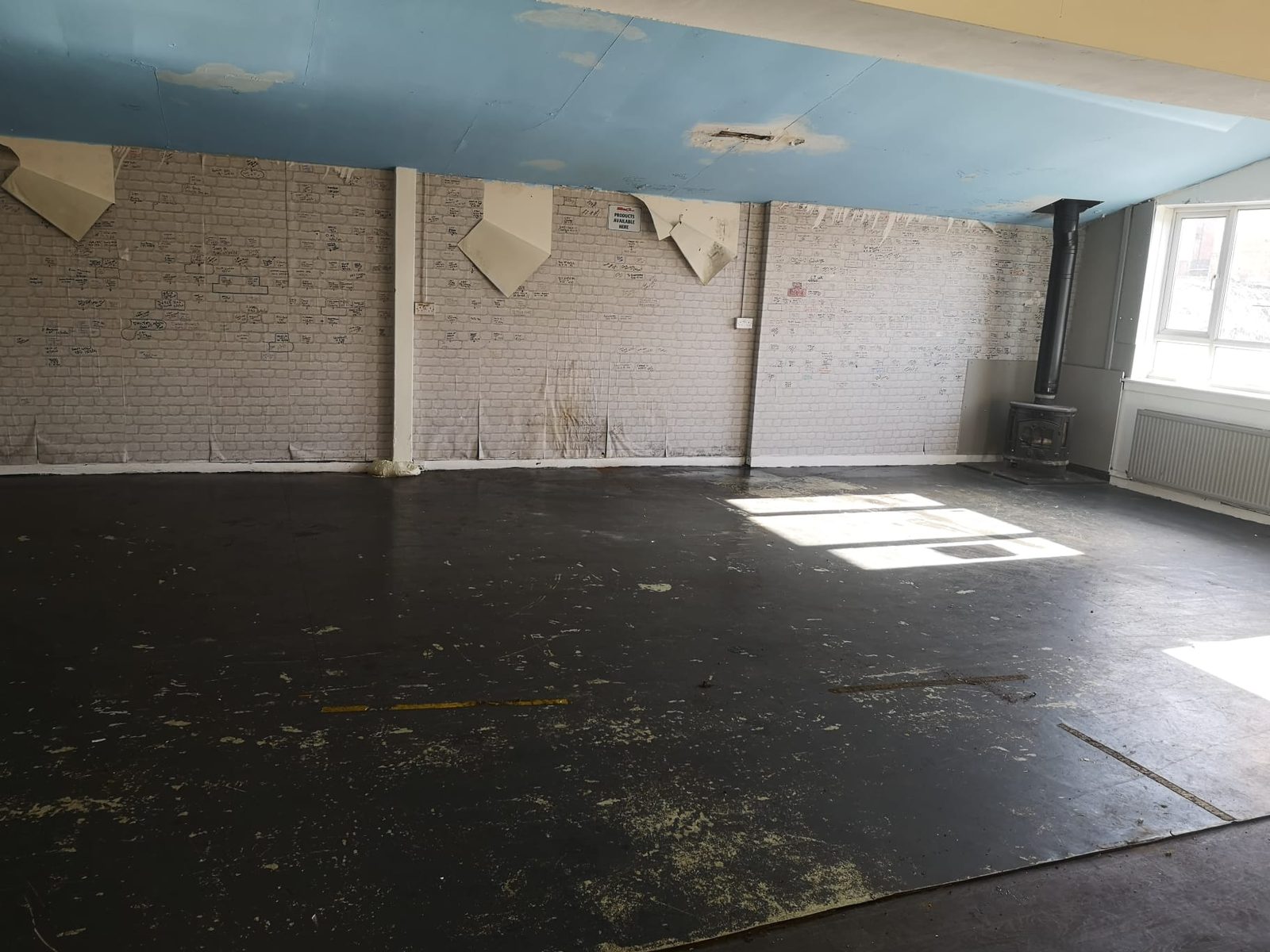
How a clearance can reduce a dilapidations claim
- Remove everything you are responsible for. Furniture, IT, files and waste left behind are an easy addition to a landlord's claim.
- Strip out your fit out where the lease requires it. Partitions, suspended ceilings, kitchens and data cabling may need to come out. Our soft strip service takes a space back to a shell ready for reinstatement.
- Dispose of everything properly. Use a registered carrier and keep the waste transfer notes as a record of what left the building.
- Leave it clean. A final sweep and tidy makes a good impression at the joint inspection.
- Photograph the finished space so you have evidence of the condition you handed back.
When should you start planning?
Ideally, as soon as you know you are leaving, and at least six months before your lease ends for larger premises. Check your lease and any licence for works for reinstatement obligations and deadlines, ask whether the landlord intends to serve a schedule, and agree what can be left in place. Some landlords will accept good quality furniture or fit out items left for the next tenant, which can save you money.
Then book your clearance and any strip out work for the final weeks of the lease. Our guide to planning an office clearance without disrupting your business covers the practical timings, and our office clearance cost guide explains what affects the price.
Lease end clearances across Scotland
Jettison works with tenants, landlords, surveyors and fit out contractors on lease exits and dilapidations, from single offices to whole buildings. We can work to your dilapidations schedule and coordinate with your landlord's surveyor so the space is handed back in the agreed condition. See our office clearance services, or request a free quote.